The Science-Backed Benefits of Sit-Stand Desks
Published on May 26, 2026
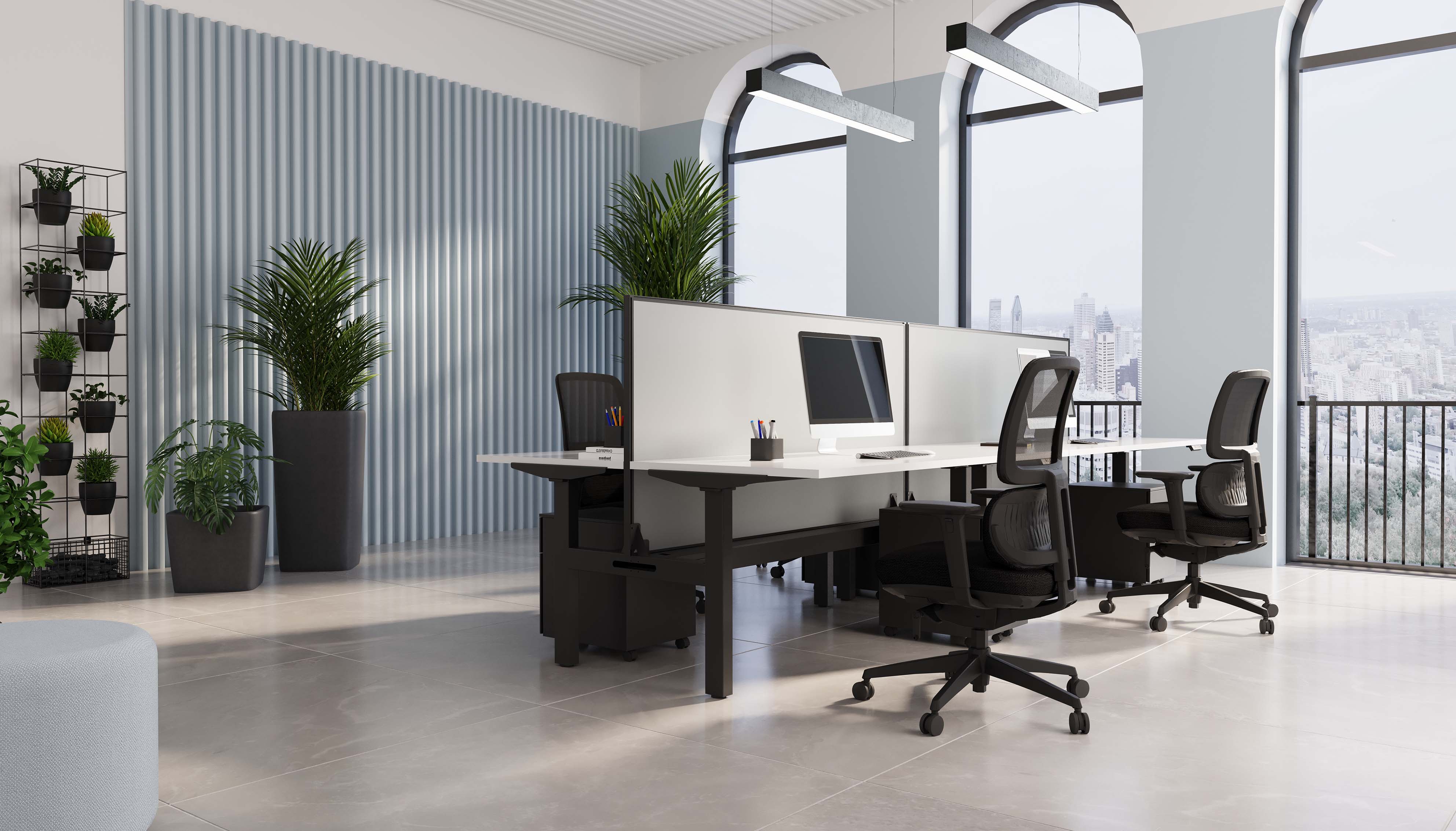
Yes — a sit-stand desk is worth considering if you currently sit for most of the day and can use it to alternate postures, not to stand all day. The strongest evidence is for reducing sitting time and easing upper-back and neck discomfort when people actually switch positions.
A height-adjustable desk is a tool for movement. Used that way, it can make a long Australian workday more comfortable. Used as an all-day standing station, it can create new strain.
1. Reduction in Back and Neck Discomfort
Musculoskeletal disorders are a major category of work-related illness. Sitting in a static posture for eight hours compresses the lumbar spine and can strain the neck and shoulders.
When people use a sit-stand setup to break up sitting, the relief can be measurable. In the CDC-published Take-a-Stand Project, introducing a sit-stand device reduced upper back and neck pain by 54% during the intervention period, and those gains faded after the device was removed (Pronk et al., 2012).
2. Metabolic and Energy Effects
One reported benefit of standing more after meals is a smaller rise in post-meal blood sugar compared with remaining seated. That finding comes from small workplace studies, so it should not be treated as a guarantee for every person.
The practical takeaway is simpler: breaking up long sitting, including after lunch, is a reasonable habit. A sit-stand desk makes that easier without leaving the workstation.
3. Circulation and Cardiovascular Load
Prolonged sitting slows circulation. Standing uses more of the large muscles in the legs and is one way to interrupt that pattern during work.
Standing is not a replacement for exercise. It is a way to spend less of the day completely still.
4. Mood, Focus, and How Work Feels
The same Take-a-Stand study also reported improved mood states while the sit-stand devices were in use. Comfort and fewer pain interruptions are a plausible reason people feel more able to concentrate.
A sit-stand desk will not make someone more productive by itself. It can remove some of the physical friction that makes a long day harder.
The Golden Rule: Don't Just Stand, Alternate
A common mistake is ditching the chair entirely. Standing for eight straight hours can lead to leg fatigue, joint strain, and circulation issues.
Occupational health guidance is consistent on this point: alternating between sitting and standing is the useful pattern. A practical starting ratio is sitting for 30-45 minutes and standing for 15-30 minutes, then adjusting to comfort.
Are Sit-Stand Desks Worth the Investment?
For office workers who want less unbroken sitting, less upper-body discomfort, and an easy way to change posture, a commercial height-adjustable desk is a sensible investment.
Pair it with a supportive chair. Then it becomes a workstation that can sit or stand, not a standing-only setup. Explore our height-adjustable workstations if you are ready to specify one for a home office or a team.
Frequently Asked Questions
Should I stand all day at a sit-stand desk?
No. Alternate. Standing all day can create its own discomfort. The benefit comes from changing position.
How often should I switch between sitting and standing?
Start with a change every 30 to 60 minutes. If your back, legs, or feet complain, switch sooner.
Will a standing desk fix back pain on its own?
Not by itself. It can reduce time spent in one posture. Chair fit, monitor height, and regular movement still matter.
Sources
Planning an office upgrade?
Get tailored advice on chairs, desks, storage, and full workspace fit-outs from the Iconic team.