How to Choose an Ergonomic Office Chair
Published on June 12, 2026
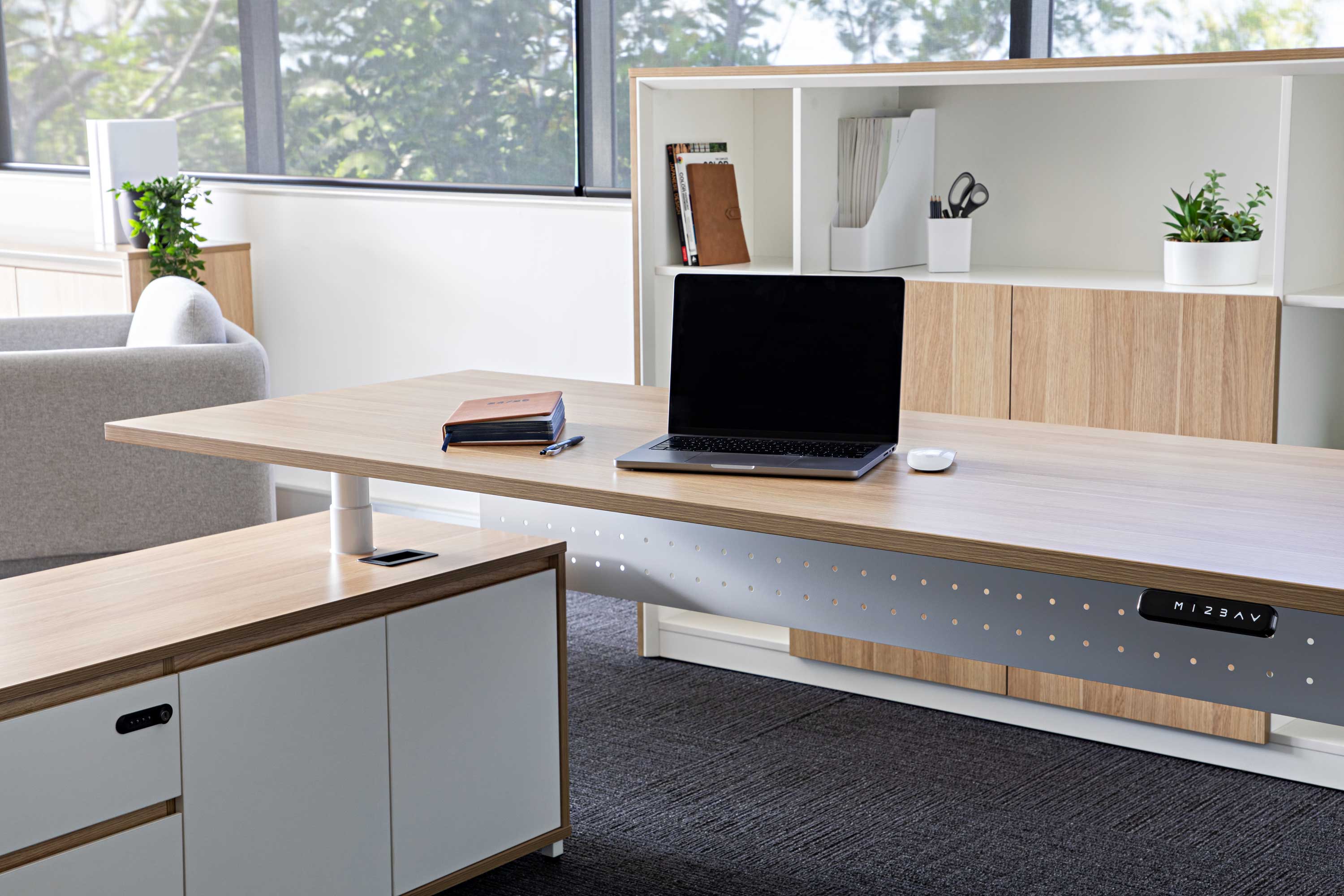
If you spend more than four hours a day at a desk, choose a chair with genuine adjustability: seat height, seat depth, lumbar support, and armrests that let you sit with feet flat and shoulders relaxed. Looks and the word "ergonomic" on a label are not enough.
This guide explains what actually matters for long workdays in Australian offices, and how to tell a commercial chair from a short-stay visitor seat.
What Makes a Chair Truly Ergonomic?
An ergonomic chair is built to adapt to the person using it. A standard chair often forces your body to fit a fixed shape. BIFMA ergonomic guidance is useful here: seating meant for all-day work should support a range of postures and offer several points of adjustment.
1. Start With Adjustability, Not Branding
When evaluating a chair, prioritize these core adjustments:
- Seat Height Adjustability: A pneumatic lever should allow you to adjust the height so your feet rest flat on the floor and your knees sit at a 90-degree angle.
- Dynamic Lumbar Support: The backrest should feature an adjustable lumbar curve that fits the natural S-shape arch of your lower back. Fixed lumbar pads are often insufficient for long-term comfort.
- Multi-Dimensional Armrests: Look for 3D or 4D armrests. They should lift your elbows to a neutral angle (around 90 degrees) without raising your shoulders, offloading up to 25% of shoulder tension.
- Tilt and Recline Tension: A good chair moves with you. Tilt locks and tension control allow you to change posture throughout the day, which changes the pressure through the spine.
If a chair has limited adjustment points (typically less than 4), it is usually not truly ergonomic, regardless of its premium look.
2. Pick the Right Seat Depth and Width
Seat dimensions directly affect your circulation and long-term comfort:
- Seat Depth Adjustment: You should be able to slide the seat pan forward or backward. Ideally, leave a small gap (about 2-4 fingers) between the seat edge and the back of your knees. A seat that is too deep leads to slouching, while a seat that is too short reduces thigh support.
- Seat Width: Ensure there is enough room to sit naturally without pressure on your hips or thighs.
3. Understand Material Trade-Offs
Different finishes suit different environments and body types:
| Material | Best For | Pros | Cons |
|---|---|---|---|
| Mesh | Hot climates, modern offices | Highly breathable, dynamic suspension | Can be too firm for some users |
| Fabric | Air-conditioned offices | Soft feel, even weight distribution | Can trap heat and moisture |
| PU Leather | Executive suites, clinics | Easy to wipe down, sharp appearance | Warmer over long sessions |
4. Match the Chair to Daily Use
A visitor chair and an all-day task chair serve entirely different purposes. Consider your usage hours:
- Up to 4 hours/day: Entry-level ergonomic models with basic lumbar and height adjustments may be sufficient.
- 6-10 hours/day: You need a high-end ergonomic chair. Look for high-density molded foam (which maintains 95% of its shape after 5 years), robust mechanisms, and full 4D adjustments.
- Shared Teams or Fit-Out Projects: Standardize with highly adjustable chairs that support a broad range of body sizes and weights.
5. Check Warranty and Commercial Certifications
For commercial use, the warranty and certifications reflect the build quality:
- Certifications: Look for AFRDI (Australasian Furnishing Research and Development Institute), BIFMA, and GREENGUARD certifications. These indicate independent testing for safety, durability, and, where relevant, low chemical emissions.
- Warranty: A standard chair might offer a 1-2 year warranty. A high-quality ergonomic chair should offer 5-10 years of structural warranty.
- Local Support: Confirm local support for spare parts and servicing, especially if outfitting a whole office in Australia.
Quick Ergonomic Chair Checklist
Before you check out, confirm the chair includes:
- Adjustable lumbar support (height and/or depth)
- Seat height and seat depth adjustment (slider)
- 3D or 4D adjustable armrests
- Tilt lock and tension control mechanisms
- Commercial certifications (AFRDI/BIFMA) and a 5+ year warranty
Frequently Asked Questions
What should I look for first in an ergonomic office chair?
Start with seat height, seat depth, lumbar support, and armrests. If those four cannot be adjusted to you, the chair is unlikely to stay comfortable for a full workday.
Is mesh better than foam for Australian offices?
Mesh is usually cooler. Foam can feel more cushioned. Choose based on climate, how long you sit, and whether you prefer a firmer or softer seat.
Do AFRDI or BIFMA marks matter?
Yes for workplace buying. They show the chair has been tested against published furniture standards, which is more useful than marketing language.
Final Thoughts
The best ergonomic chair is the one that fits your unique body metrics, your desk setup, and your daily workload. Avoid the temptation to buy based solely on aesthetics.
If you are planning a workspace upgrade, browse our office chairs or ask us for a quote and we can shortlist certified options that suit both comfort and budget.
Planning an office upgrade?
Get tailored advice on chairs, desks, storage, and full workspace fit-outs from the Iconic team.